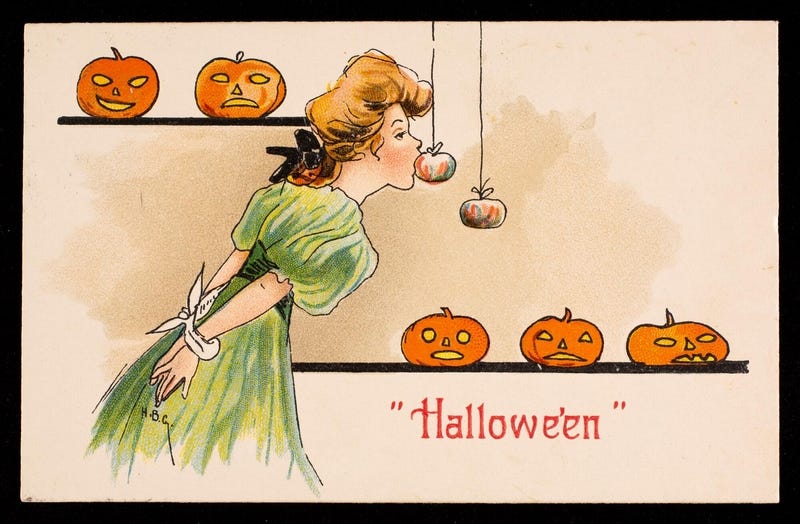
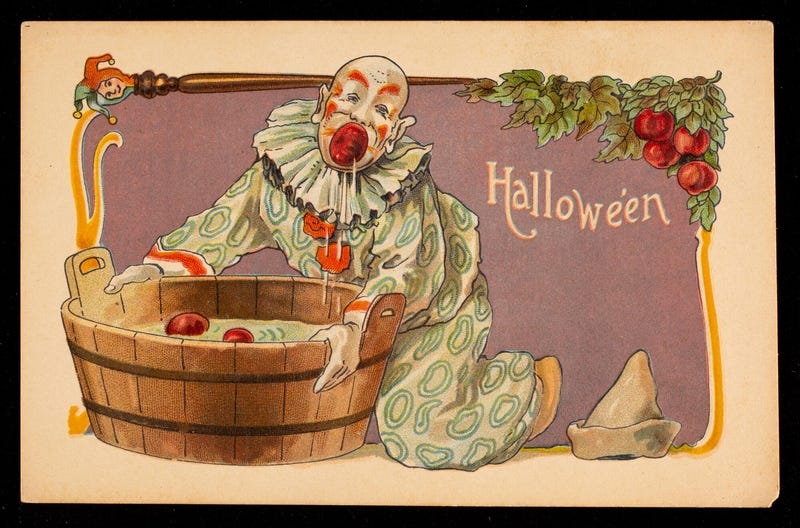
Halloween in Newberry Transcribe is both surprisingly familiar and delightfully strange: jack-o’-lanterns and costumes, cider and doughnuts, but also fortune cakes, backwards clothes, and the occasional Ghost Party.
Search for “Halloween” — and the older spelling “Hallowe’en” — and celebrations turn up in diaries, letters, club minutes, and family papers.
Marion Metcalf’s 1880s diaries record Halloween almost every year. In 1884, she made griddle cakes for a party where everyone dressed in costume and “spoke no word.” In 1885, she and a friend “rigged up and went down” to a party but “came to grief and stayed only 3 or 5 minutes.” And in 1886, just two days after the Statue of Liberty was dedicated in New York, Metcalf attended a Halloween gathering where “a Statue of Liberty was unveiled & presented.”
At Chicago Commons, a “Ghost Party” featured “human scare-crows and Jack o lanterns,” a grand march to “weird music,” games and prizes, cider and doughnuts by candlelight, and dancing. The secretary declared, “No holiday in all the year is so merry informal and so marked by fun as a celebration on Halloween.”
Elsewhere, Muriel Bent described a 1908 party where guests wore one another’s clothes backwards and ate supper by the light of jack-o’-lanterns and “little skull-and-devils’ head-lanterns.”
Not everyone was so enthusiastic. After an 1895 party at Fort Custer, Montana, one correspondent admitted:
“We are both rather quiet people and it isn’t natural to us to frisk.”
A sentiment that has surely survived every Halloween since.
Every one of these moments became searchable thanks to a Newberry Transcribe volunteer. Search Halloween and Hallowe’en to find more — or choose a page to transcribe and uncover the next story.
New Pages: Indigenous History, Early Chicago, and More
Just added:
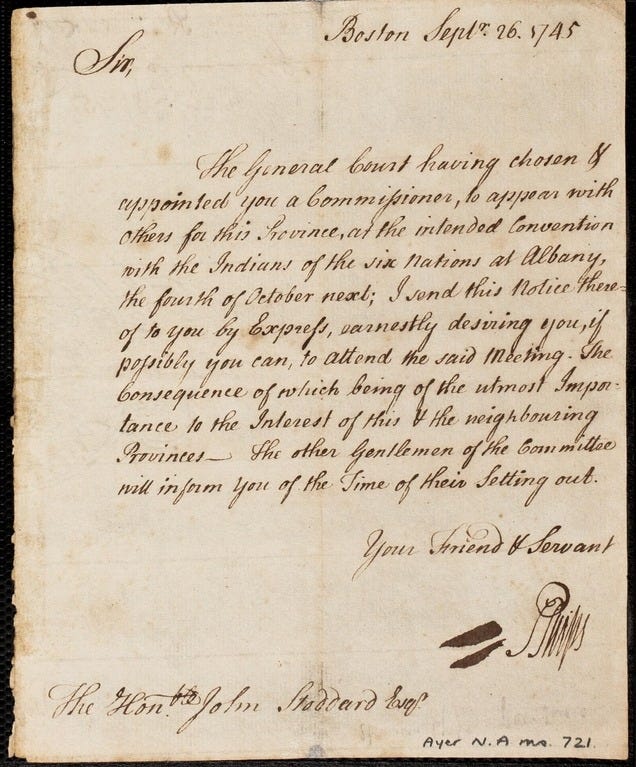
Miscellaneous correspondence from our Edward E. Ayer manuscript collections: an 1854 letter from Menominee chief Oshkosh opposing relocation and logging on Menominee lands; a note from Sauk leader Keokuk, written aboard the steamboat Warrior, about the delivery of a tent; and an 1839 letter from Antoine Ouilmette recalling early Chicago — including the loss of 400 hogs.
A scrapbook from the final years of Elbridge Ayer Burbank, nephew of Edward E. Ayer and an artist known for portraits of Native people in the West and Southwest, filled with fan mail, postcards, artwork requests, and other memorabilia.
For volunteers up for a challenge, a document ca. 1740 on the long-running land dispute between the Mohegan Nation and colonial Connecticut, including petitions, testimony, reports, and legal proceedings. The handwriting is dense and some pages are damaged, but the material is especially rich.
And lots more! Browse the newest pages and find your next transcription.
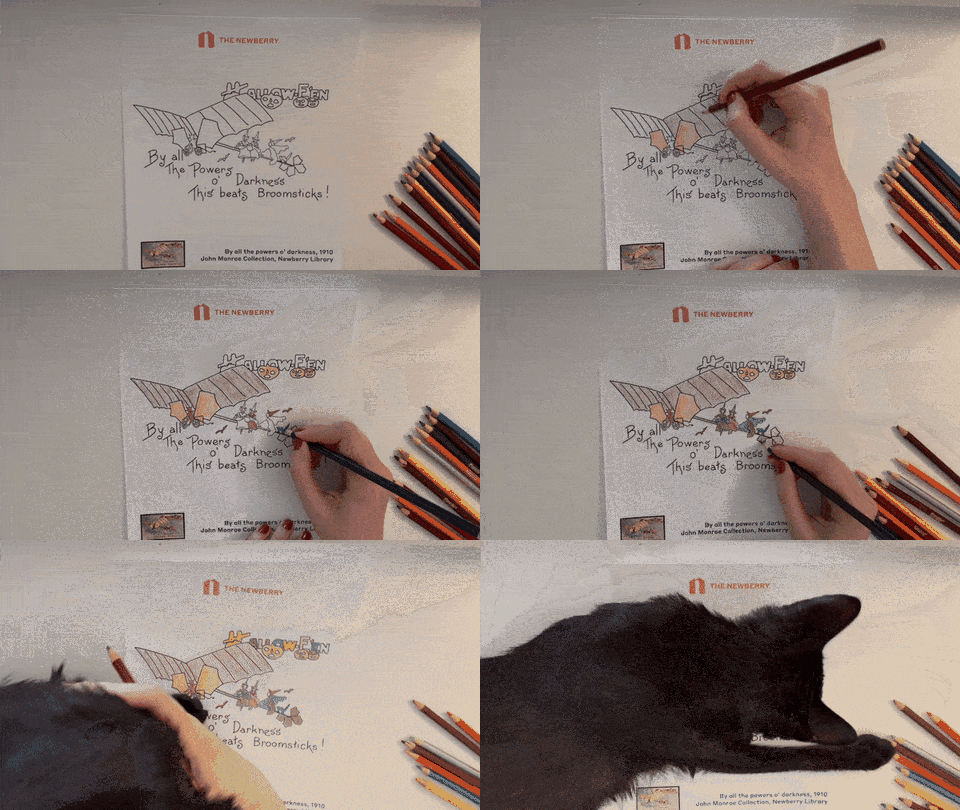
A Very Newberry Halloween
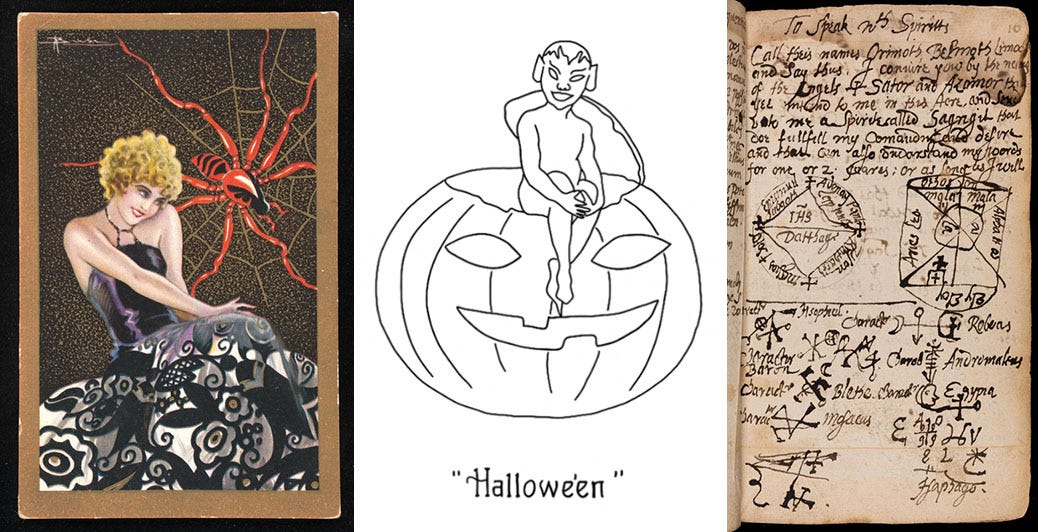
The Newberry’s building has stood on Washington Square since the 1890s, and it is full of books, so naturally it’s haunted. You don’t have to come to Chicago to meet the spirits. A Very Newberry Halloween gathers the library’s spookiest digitized collections in one place, from a 17th-century book of charms to postcards you can send or color in. Take a look around, summon something spooky, and have a very Newberry Halloween.